
The Hidden Danger on Your Roof: A Homeowner's Guide to Pine Straw in Augusta
Living in the Garden City has its perks, and one of the most beautiful is being surrounded by Georgia’s iconic pine trees. Their presence adds to the charm of our neighborhoods and provides welcome shade during our hot, humid summers. But as any Augusta homeowner knows, with those beautiful pines comes an endless blanket of pine straw. While it looks harmless, that accumulation on your roof can lead to serious and costly problems.
Many homeowners see roof debris as a simple cosmetic issue, but pine needles pose a unique threat. They can trap moisture, accelerate wear and tear, and create hidden pathways for water to enter your home. Understanding these risks is the first step toward protecting your biggest investment. In this guide, we’ll walk you through why pine straw is more than a nuisance, how to spot the signs of damage, and what you can do to keep your roof in top condition.
Why Pine Straw is Your Roof's Worst Enemy
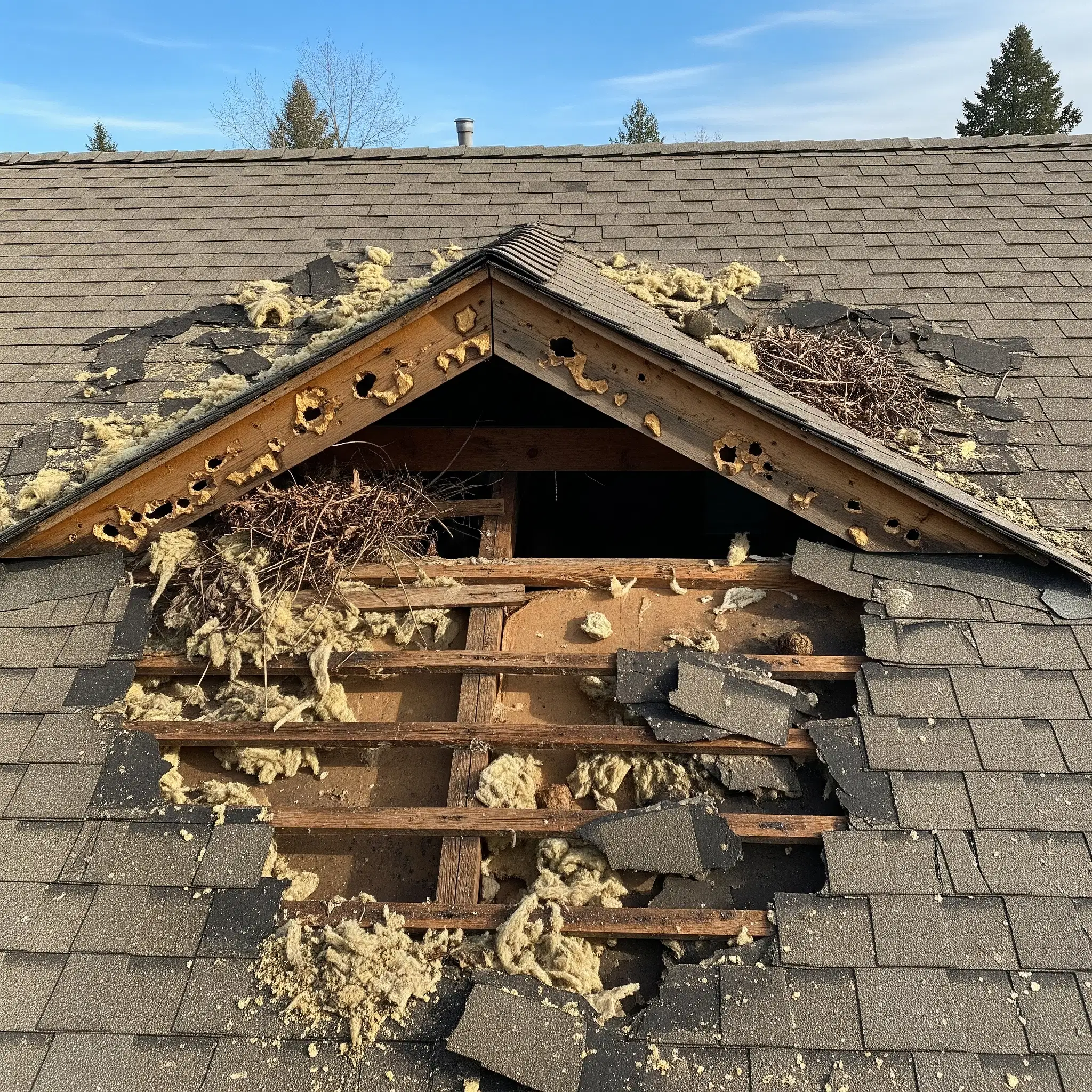
It’s easy to underestimate how damaging a simple layer of pine needles can be. Unlike larger leaves that might blow away, pine straw interlocks and creates dense mats that are incredibly effective at trapping moisture. Here’s how that seemingly innocent debris can compromise your roof’s integrity:
-
Moisture Retention and Rot: When pine straw gets wet, it acts like a sponge, holding water directly against your shingles for extended periods. In our climate, with its significant heat and humidity, this creates the perfect environment for algae, mold, and mildew to thrive. More importantly, this constant moisture can seep underneath the shingles, causing the underlying roof decking to soften and rot. This is one of the most common causes of slow leaks that can go unnoticed for months.
-
Clogged Gutters and Water Damage: Your gutters are designed to channel water safely away from your home. Pine straw is the number one culprit for clogs. When gutters and downspouts are blocked, rainwater has nowhere to go but over the edge, where it can damage your fascia boards, soffits, and even your home's foundation. Water can also back up under the eaves, leading to wood rot and creating entry points for pests.
-
Accelerated Shingle Deterioration: Asphalt shingles are covered in tiny granules that protect them from the sun's harsh UV rays. The constant dampness from trapped pine straw, combined with the acids released during decomposition, can break down the bond holding these granules in place. This premature granule loss exposes the underlying asphalt, drastically shortening the lifespan of your roof and making it vulnerable to further damage.
If you're seeing any of these issues, it might be time to consider a professional roof repair to address the damage before it worsens.
Telltale Signs of Pine Straw Damage
So, how do you know if the pine straw on your roof has crossed the line from a simple cleanup job to a serious problem? Catching the warning signs early can save you thousands in repairs. Here’s what y'all should look for:
-
Visible Debris in Valleys and Around Fixtures: The most obvious sign is also the most critical. Pay close attention to roof valleys (where two roof planes meet), the areas around chimneys, skylights, and plumbing vents. These spots are natural collection points where debris can build up quickly.
-
Dark Stains or Streaks on the Roof: This often indicates algae or mildew growth, a direct result of trapped moisture. While sometimes just a cosmetic issue, it’s a clear sign that parts of your roof aren't drying properly.
-
Granules in Your Gutters: When you clean your gutters, do you find a significant amount of what looks like coarse, black sand? Those are the protective granules from your shingles. A few are normal, but a large accumulation means your roof is aging prematurely.
-
Water Stains on Interior Ceilings: This is the most urgent red flag. A stain, no matter how small, means water has already breached all your roof's defenses and is entering your home. At this point, a professional assessment is crucial.
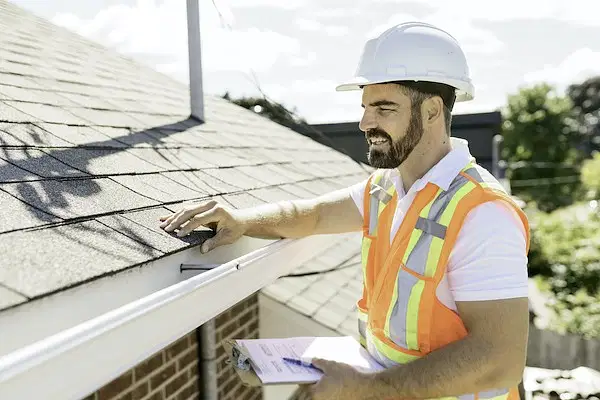
The best way to get a clear picture of your roof's health is with a thorough evaluation. A professional roof inspection can identify not only visible problems but also subtle signs of underlying damage that are invisible from the ground.
A Proactive Approach to Roof Maintenance
Protecting your home from pine straw damage doesn't have to be complicated. A little proactive maintenance can prevent major headaches down the road and extend the life of your roof. Here are the most effective strategies:
-
Establish a Routine Cleaning Schedule: Don't wait until the debris is a foot deep. Gently remove pine straw from your roof at least twice a year—once in the late spring and again in the late fall after the major needle drops. If you have a lot of surrounding pines, you may need to do it more often. While DIY is an option, always prioritize safety. Working on a roof can be dangerous, and using the wrong tools can damage your shingles.
-
Keep Gutters Clear: Ensure your gutters are cleaned out on the same schedule as your roof. Clogged gutters are a direct contributor to some of the worst water damage a home can experience. Consider installing gutter guards for a long-term solution that minimizes manual cleaning.
-
Trim Overhanging Branches: Strategically trimming pine branches that hang directly over your house can significantly reduce the amount of debris that lands on your roof in the first place.
-
Schedule Professional Inspections: An annual inspection by a trusted roofing professional is one of the smartest investments you can make. We can spot potential issues you might miss, provide a detailed condition report, and perform minor preventative maintenance that saves you money over the long term. This is a core part of our residential roofing services.
Protect Your Augusta Home with Georgia Best Roofing
Your roof is your home's first line of defense against the elements, and in our beautiful corner of Georgia, that includes the constant barrage of pine straw. By understanding the risks and taking proactive steps, you can ensure it remains strong and secure for years to come.
If you're concerned about pine straw buildup, have noticed signs of potential damage, or simply want the peace of mind that comes with a professional assessment, we're here to help. At Georgia Best Roofing, we treat every home like it's our own, providing honest communication and quality workmanship you can trust.
Don't let a preventable problem turn into a major expense. Contact us today to schedule a comprehensive roof inspection and keep your Augusta home safe and beautiful.